On The Mend · Tactical
I Broke No Contact. Now What?

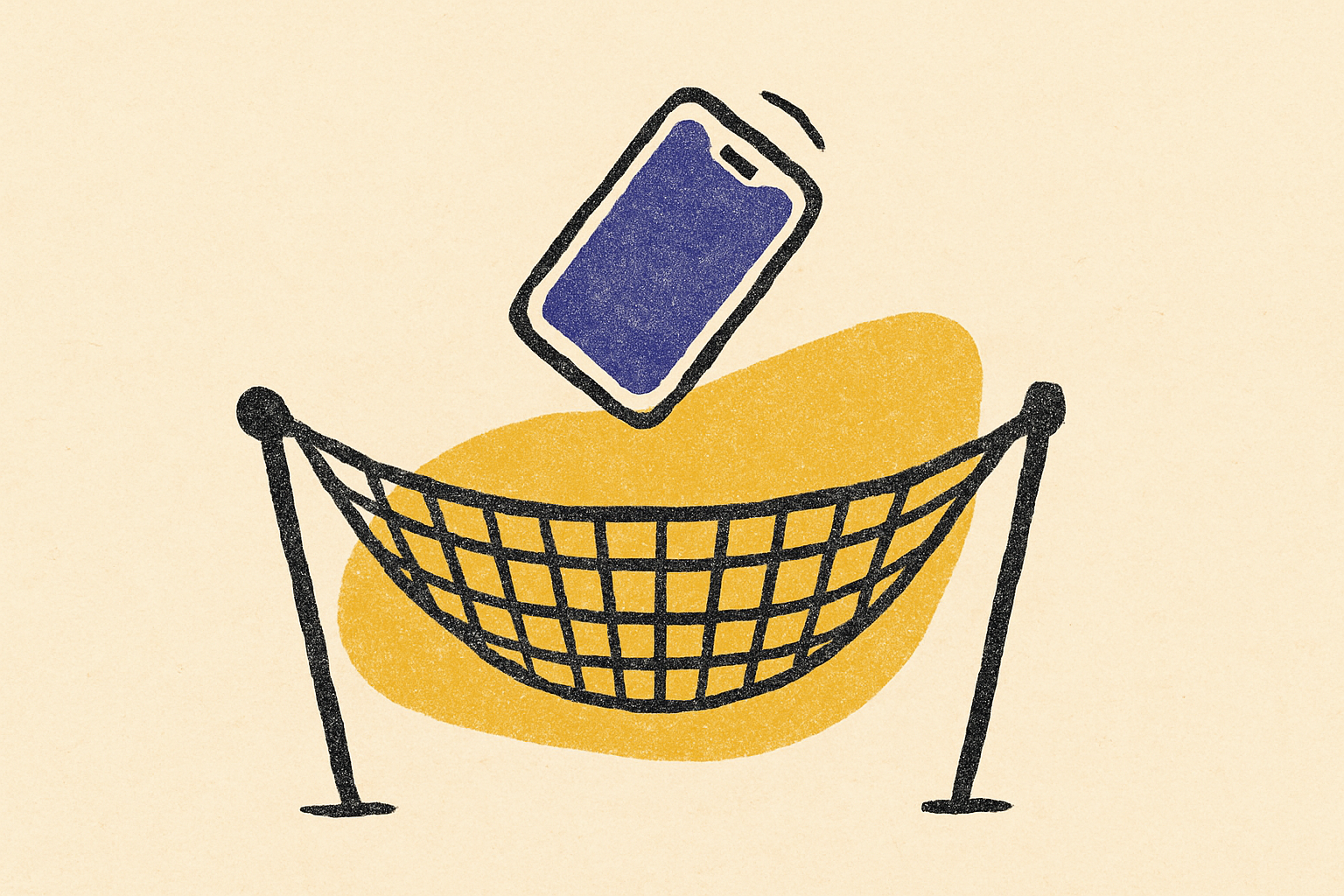
You broke no contact. You're not the first person to do it and you won't be the last. The honest answer to "now what" is: it's a slip, not a verdict; you restart the clock, you log exactly what failed, you forgive yourself for the next 24 hours so you can think clearly, and you fix the specific weakness in your system so the next streak goes further. Here's the reset protocol that gets you back to the work without quitting it.
First, before anything else
Stop. Close the conversation. If you sent a text, do not send a second one. If they responded, do not respond again. If you're mid-call, end the call.
The single biggest mistake after breaking no contact is doubling down: "Well, I already messed up the streak, might as well finish the conversation." This turns one slip into a four-hour relapse with a new emotional injury attached.
One text sent: a setback. One text sent followed by a 90-minute emotional reckoning with them: a re-injury that takes a week to recover from.
Cap the damage. Close the thread. Walk away.
A slip is not a failure
Behavioral research on habit change is unanimous on this point: people who recover from a slip in the same day go on to succeed. People who treat the slip as proof they're a failure and abandon the entire effort do not.
This is well-documented in the relapse prevention literature (Marlatt and Gordon, originally in the addiction context, now applied broadly). The technical term is the "abstinence violation effect" — the moment you believe you've broken a commitment, you're disproportionately likely to throw the whole commitment out. Knowing the effect exists is the first step in not falling for it.
A slip is data. Failure is a story you tell about the slip. You can choose not to tell that story.
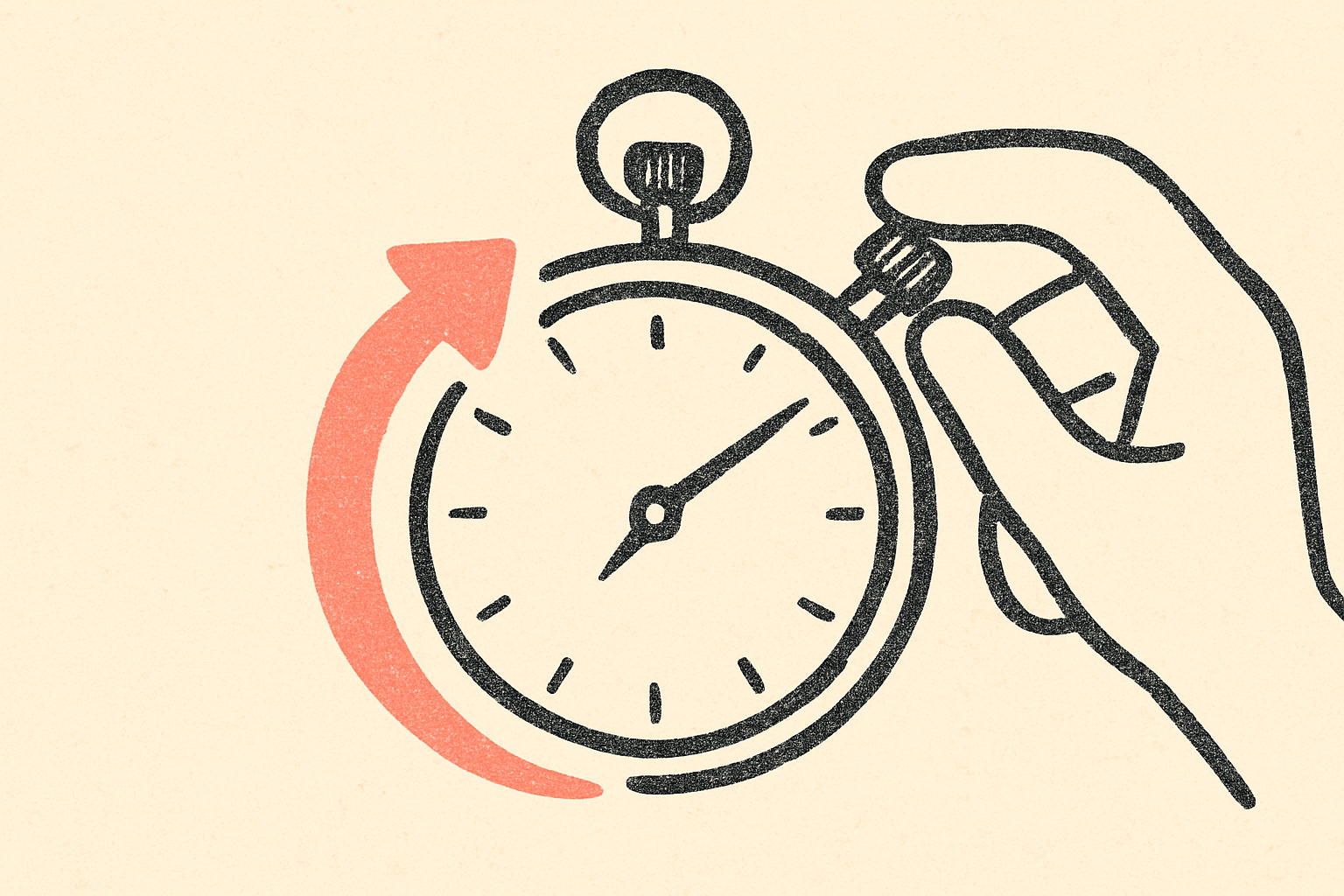
The 24-hour reset protocol
Step by step, what to do in the next day.
Hour 0-1: Stop the bleed
- Close the conversation.
- Delete the thread if you can stand to.
- Block them again on whatever platform let you through. If you unblocked them to send the text, block again immediately.
- Put your phone in another room.
- Tell your accountability person what just happened. One sentence: "Hey, I broke no contact. I'm okay. Just wanted you to know."
You're not asking for absolution. You're closing the loop with the person who was supposed to be your check.
Hour 1-6: Don't make it worse
The post-slip window is the most dangerous part of the entire no-contact effort. Marlatt's research found this is exactly where the lapse-to-full-relapse spiral happens. Three things tend to happen:
- Catastrophizing. "I've ruined everything. I might as well call them."
- Bargaining. "Well I texted, maybe I should just see what they say, maybe this is fine."
- Shame spiral. "I'm so weak. I can't do anything right. I deserve to feel this bad."
All three lead to a second contact, which is the actual damage.
What to do instead:
- Eat something. Drink water. Your body is amped on cortisol and you're not making good choices.
- Move. A 20-minute walk shifts the chemistry faster than thinking about it.
- Don't open social. They might respond, or post in a way you'll read as a response. Both will spiral you.
- Don't make any other big decisions tonight. No emails to your boss. No texts to other people you're frustrated with. The judgment is still off.
Hour 6-24: Log the post-mortem
Within 24 hours of the slip, do a written post-mortem. This is the thing that makes the next streak longer than the last one.
Open your journal or your no-contact tracker. Answer six questions:
- What time of day did the slip happen?
- What was I doing right before?
- What was the trigger feeling? (Lonely, horny, angry, sad, bored, anxious.)
- What did I tell myself in the moment that justified it?
- Which layer of my prevention system failed? (Phone in room, no app blocker, alcohol, no friend on call.)
- What's the one specific change that would have stopped this?
Write the answers like a debrief, not like a confession. You're not in trouble. You're studying what happened so the system gets better.
Restart clock vs continuation: pick one framing
There are two valid framings of what to do with the streak counter.
Framing A: Restart the clock
You were at 17 days. You broke. You're now at day 0.
Pros: Clean, honest, makes the bar feel high. The streak number reflects reality.
Cons: Demoralizing. Discounts the work you did.
Framing B: Continuation with a logged slip
You were at 17 days. You broke. You're still at 17 days, but with a logged slip on day 17.
Pros: Honors the cumulative work. Less likely to trigger a "screw it" cascade.
Cons: Less clean. Could lead to "well, one slip is okay" creep.
The honest answer: both work. The right one depends on what kind of person you are.
If you're motivated by clean streaks and a high bar, restart the clock. The pain of going back to zero will sharpen your next attempt.
If you're prone to all-or-nothing thinking and likely to abandon the whole effort, use the continuation framing. Log the slip, keep counting, fix the system.
What does not work: pretending the slip didn't happen. The slip happened. The lie about it is what corrupts the rest of the streak.
In Chaz, the streak resets cleanly when you tap "I broke no contact" — the app is built around the restart-the-clock framing because it tends to produce sharper accountability. But the journal entry that goes with the reset is the more important part.
What to expect from them
A few common scenarios after you slip, with the recommended response for each.
They don't respond
The most likely outcome. They saw it, they're processing, or they're playing it cool, or they genuinely don't care.
The temptation: send a second text to clarify, apologize, explain.
The right move: nothing. The thread ends with your slip. Their non-response is your gift. Take it.
They respond warmly
"Oh hey, good to hear from you. I've been thinking about you too."
The temptation: relief, connection, conversation, plans to meet.
The right move: do not respond. The warm response is not a sign you should have texted. It's a sign that texting them produces hits, which is exactly the dynamic no contact exists to break. (Variable-ratio reinforcement is the most addictive reward schedule — one warm reply after five cold ones is what keeps the loop firing.)
If you respond at all, respond once with something neutral and final: "Sorry, sent this in a weak moment. I'm taking some space, hope you're well." Then block and don't read further responses.
They respond coldly or angrily
"Why are you texting me. I asked you not to. Don't do this again."
The temptation: defensiveness, explanation, apology essay.
The right move: don't respond. The cold message hurts more than the warm one would have. It is not a sign you should fix it. It is a sign that you should not have texted. Take the hit and block.
They respond manipulatively
"I miss you so much, can we get coffee, just one talk."
The temptation: hope.
The right move: this is the most dangerous scenario. Do not respond. Sit with the urge for 48 hours. If you still want the coffee in 48 hours, talk to your accountability person and your therapist before doing anything. The "just one coffee" almost never stays one coffee, and the version of you who agreed to it is not the version of you who's been doing the work.
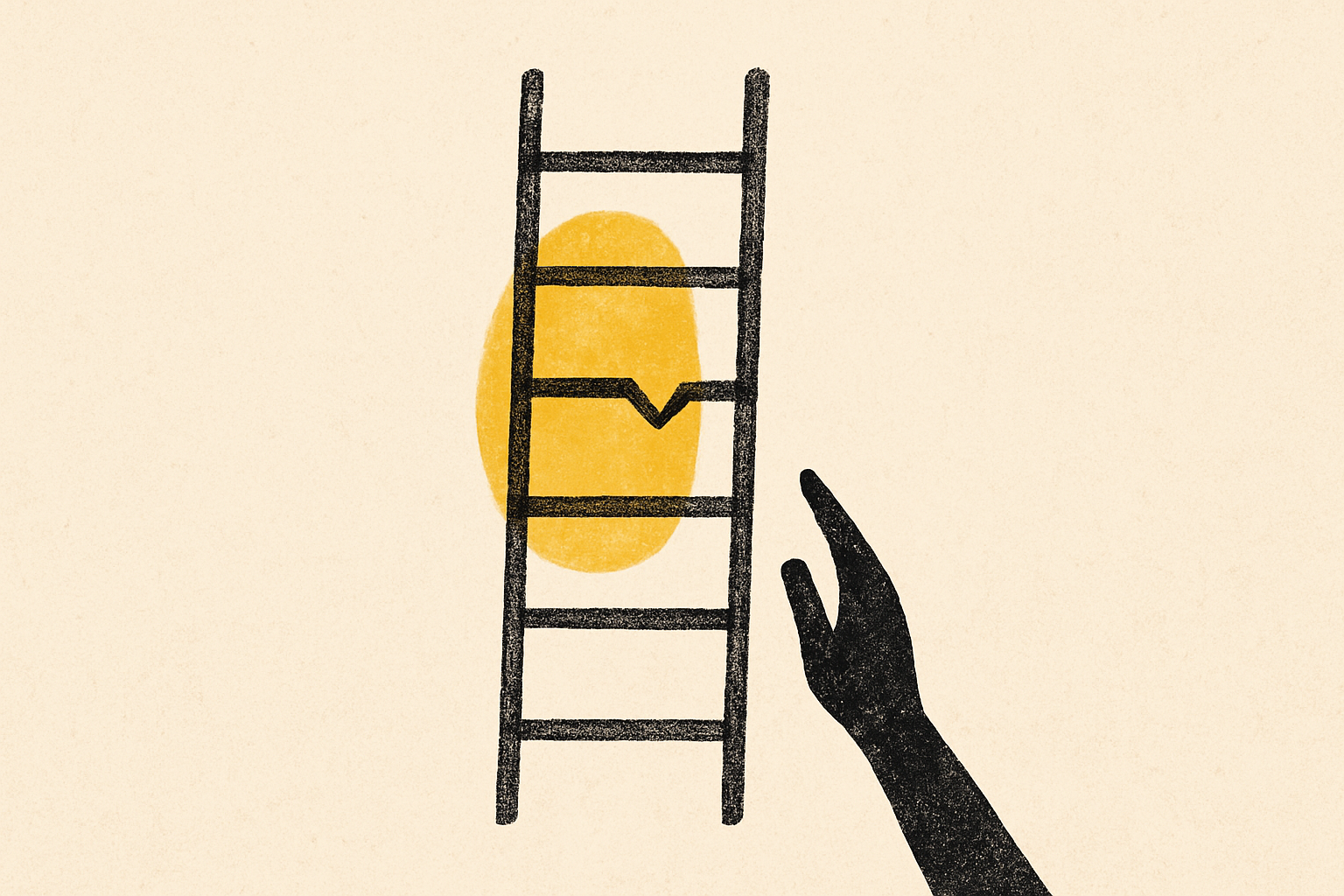
The system fix
This is the only step that makes the next streak meaningfully different from the last one.
Go back to your post-mortem. Question 5: which layer of the prevention system failed?
The common failure modes and their fixes:
| What failed | Fix to install |
|---|---|
| Phone in bedroom | Move charger to kitchen tonight |
| No app blocker | Install Opal or ScreenZen, configure tonight |
| Drinking | No drinking alone for the next 30 days |
| No friend on call | Recruit second backup; tell three people, not one |
| Their account was findable | Block on the platform that let you through |
| Old photos triggered it | Do the photo purge tomorrow |
| Saw them in person | Pre-plan to avoid that location for 30 days |
| 2am specifically | Implement the 2am plan tonight |
You don't fix every layer. You fix the one that failed. Then the next streak goes further because the same failure mode is closed.
What forgiveness actually looks like
People hear "forgive yourself" and think it means a soft, generic self-compassion exercise. It doesn't.
Forgiving yourself for breaking no contact is a specific action: you treat the next 24 hours as if a friend had done what you did. You don't lecture them. You don't pile on. You ask what happened, listen, help them think about what to do next.
That's it. The forgiveness is functional. The shame is the obstacle to the system fix, because shame produces avoidance, and avoidance means you don't sit down and do the post-mortem.
You don't have to feel forgiving. You have to act like you do, for one day, so you can get back to the work.
A vivid scenario
It's Tuesday at 11:47pm. You sent the text. They read it. They didn't respond.
You're sitting on the kitchen floor with your phone, wondering if you should send another one.
What happens with this protocol:
- You put the phone face-down on the counter.
- You text your accountability friend: "Hey, broke no contact. I'm okay. Don't need a call, just wanted you to know."
- You drink a glass of water. You eat a piece of toast.
- You take 20 minutes and journal: where it happened, what triggered it, what you told yourself.
- You realize the failure mode was "drank wine alone."
- You text your friend a second time: "Going to do no wine alone for 30 days. Going to bed."
- You go to bed.
Tomorrow morning, you reset the streak. You note the date. You don't catastrophize. You go to work.
By Friday, the slip is just a thing that happened on Tuesday. By next week, it's a useful data point. By day 30 of the next streak, it's why you got further this time.
What this slip is for
A slip you process well teaches you more than a clean streak does. You learn:
- Which trigger you underestimated.
- Which prevention layer you skipped.
- Which lie you tell yourself in the worst moment.
This information is expensive. You paid for it. Use it.
The point of no contact isn't to win at no contact. The point of no contact is to give your nervous system the conditions to recalibrate. Slips are part of that, the same way a missed workout is part of getting in shape. The people who recover and continue are the people who get the outcome.
Close the thread. Log the slip. Fix the layer. Reset the clock. Tomorrow's the next day.