On The Mend · Tactical
The 2 AM Text Prevention Plan

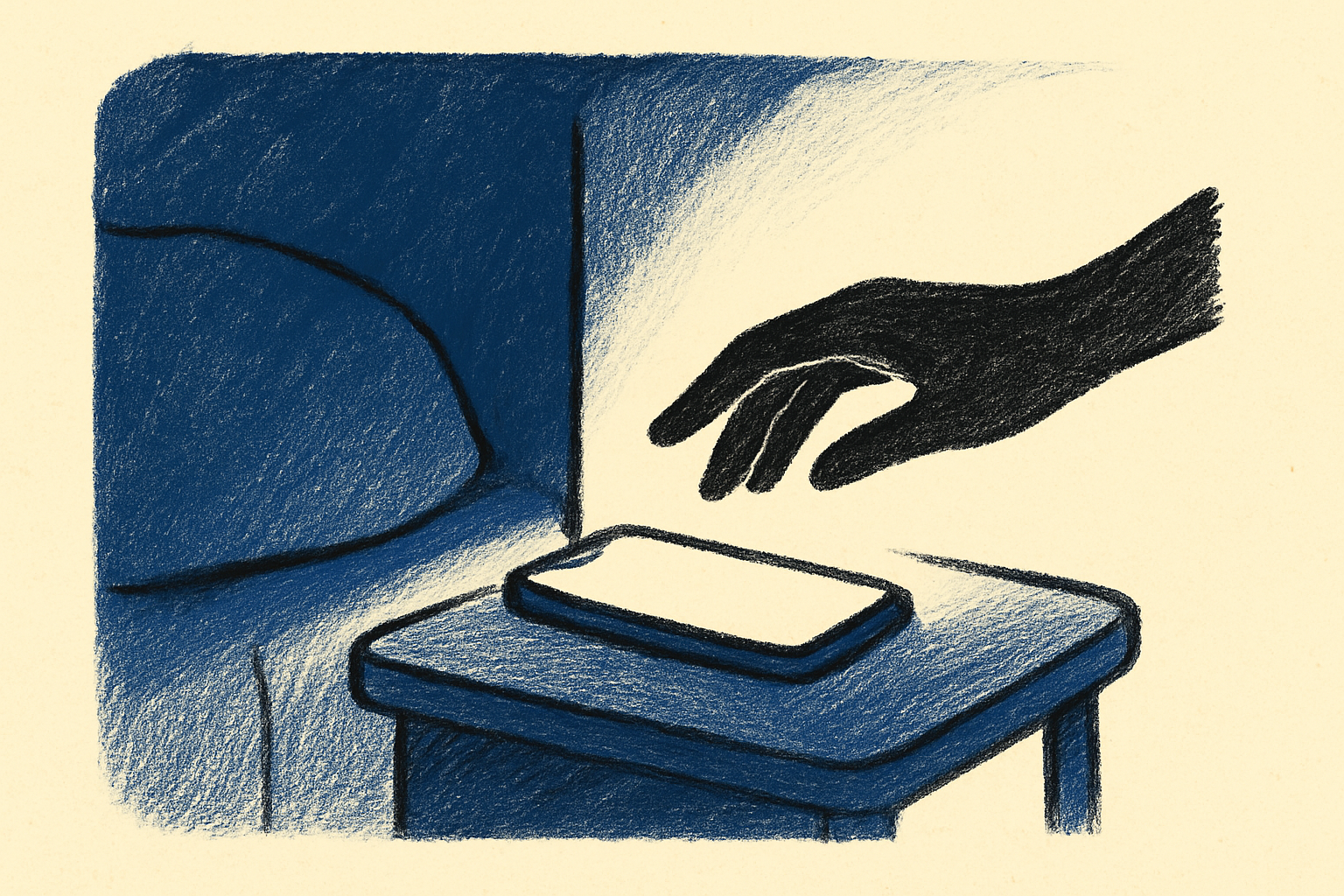
The 2am text prevention plan is the work you do at 2pm so that 2am you doesn't blow up your no-contact streak. The plan has seven moves, all set up in advance, all designed for the version of you with no impulse control. You don't beat 2am with willpower. You beat 2am by making sure the version of you at 2am cannot reach the phone, cannot reach the app, and cannot reach them. Set this up tonight before you need it tomorrow.
Why 2am specifically
Not every late hour is dangerous. 2am is.
A few things are happening biologically at the same time:
- Cortisol is at its lowest, melatonin is high, your prefrontal cortex (the "don't do that" part) is offline.
- You've been in bed long enough for the day's distractions to be gone.
- Your brain defaults to its most associative state, which surfaces the most emotionally charged memories.
- If you've been drinking, your judgment is also degraded.
- If you haven't been drinking but woke up at 2am, you're in a half-sleep, half-rumination state that produces some of the most regrettable texts of the human era.
This is a predictable failure window. Treat it like one. You wouldn't leave your wallet on the porch and trust that no one would take it. Don't leave your phone on the nightstand and trust that 2am you won't text them.
What 2am you actually wants
Important framing: 2am you is not malicious. They are not trying to ruin your life. They are trying to solve a specific feeling — usually loneliness, anxiety, or a memory hit — with the fastest available tool.
The fastest tool is texting them. It used to work. It will give a tiny hit of "I'm not alone" if they respond, and a worse spiral if they don't. Either way, the next morning is regret.
Your job is to make sure 2am you cannot find that fastest tool, and has slower-but-actually-functional tools at hand.
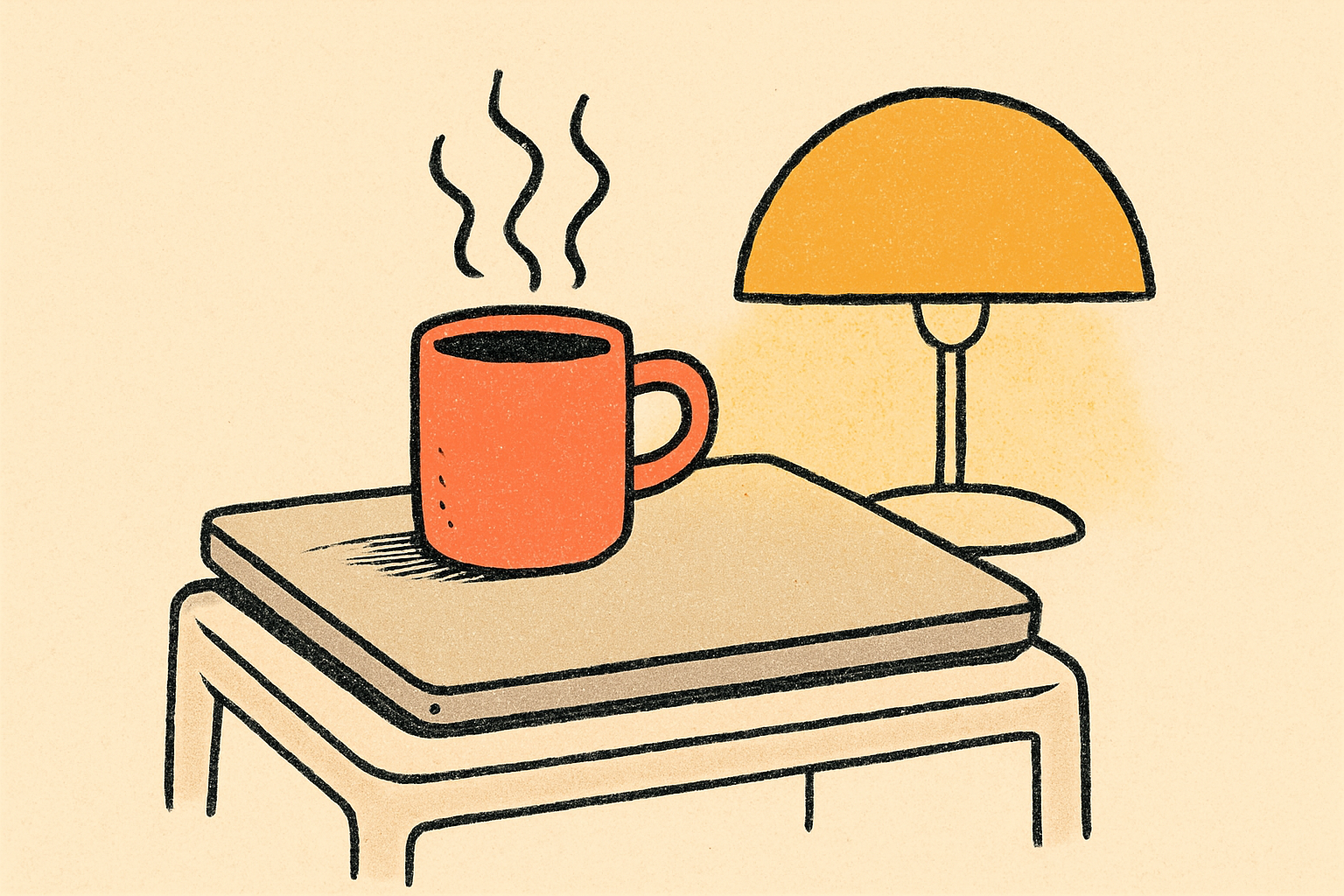
The plan, set up at 2pm
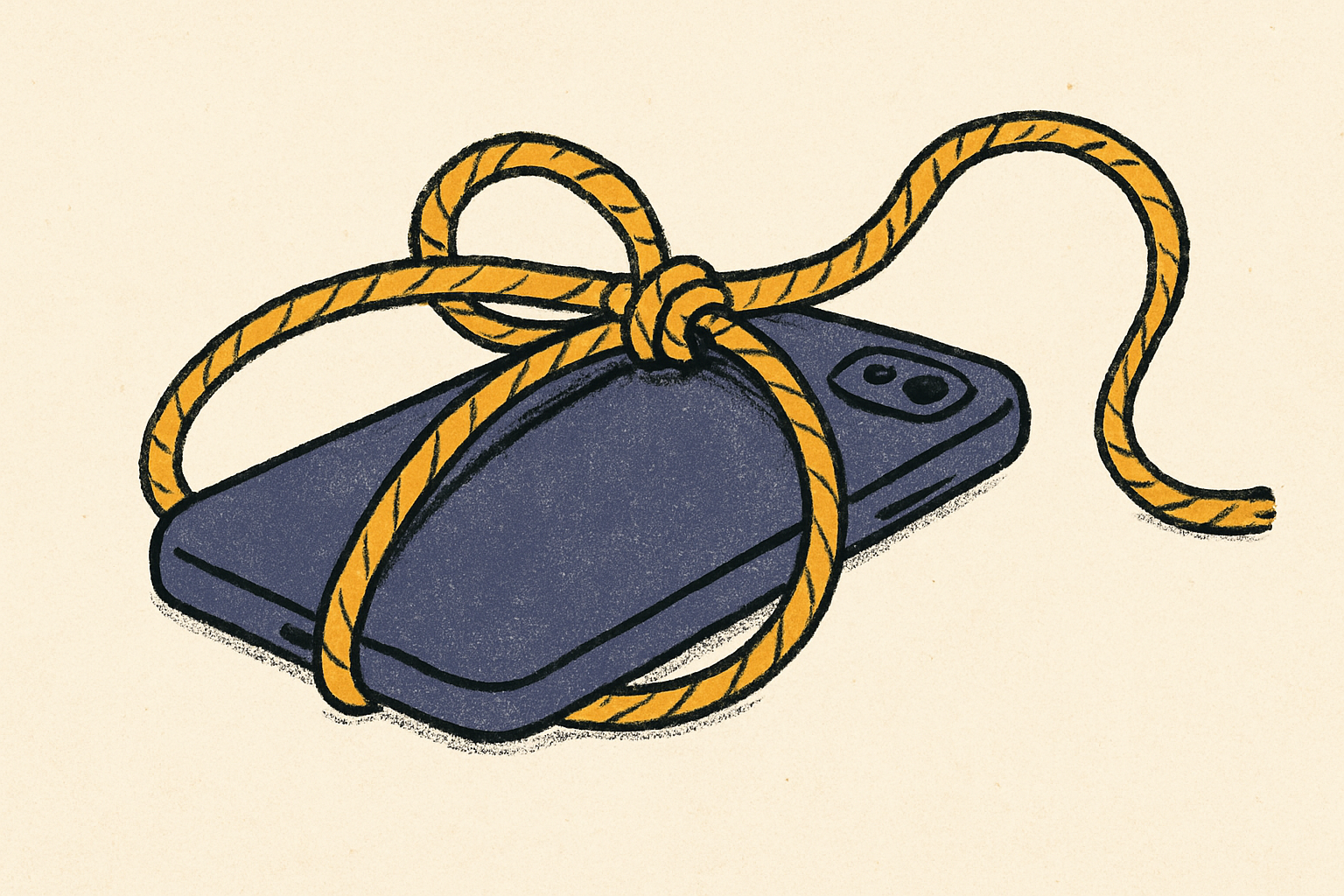
Step 1. Phone charges in another room
This is the single most effective intervention. Everything else is supporting infrastructure. (Restricting phone use before bed produces measurable improvements in sleep latency, duration, and mood — the kitchen counter is doing real work.)
Where the phone goes:
- Kitchen counter.
- Living room shelf.
- Hallway outlet.
- Anywhere that requires you to leave the bed and walk on a cold floor to reach it.
Buy a $15 alarm clock if "but I need my alarm" is the objection. Make the friction real. The walk to the kitchen is the entire intervention.
If you live with roommates and can't put the phone in a common area, put it in a closed drawer in a different room, or in a closed kitchen cabinet. Out of arm's reach is the bar.
Step 2. Do Not Disturb with an exception list
Settings → Focus → Do Not Disturb (or set up a custom Sleep focus).
- Schedule on automatically from 11pm to 7am.
- Allow notifications only from your accountability person.
- Block iMessage thread previews entirely. (Settings → Notifications → Messages → Show Previews → Never.)
- Turn off lock screen previews for social and email.
The point is: if you do glance at your phone at 2am, you do not see "Sarah sent you a message" with their face. You see nothing. You go back to sleep.
Step 3. Schedule app blockers
iOS Screen Time has free, built-in app limits. Use them.
- Settings → Screen Time → App Limits → Add Limit.
- Add Messages, Instagram, TikTok, Snapchat, X, Mail, Phone (if you can stand it), and the dating apps if you're on any.
- Set a 1-minute limit per day, downtime 11pm to 7am.
- Set a Screen Time passcode that is not your phone passcode. Have a friend type it in if you can't trust yourself with it.
Or use a dedicated app:
- Opal. Aggressive scheduling. Hard to bypass.
- ScreenZen. Adds a delay screen before each open.
- OneSec. Minimal, just a delay.
The dedicated apps add friction even to the override. Screen Time you can override with the passcode you set. ScreenZen makes you wait 10 seconds and answer "are you sure" first. The 10 seconds is what saves you.
Step 4. Send the accountability text now, in daylight
Pick the friend. Send the text now:
"Hey, I'm doing the no-contact thing with my ex. Phone is moving to another room overnight. If you get a message from me between 11pm and 5am, that's probably the signal that I need someone to talk me off the ledge. Is it okay if I call you in that window? I'll keep it rare."
Most friends say yes. Most are flattered.
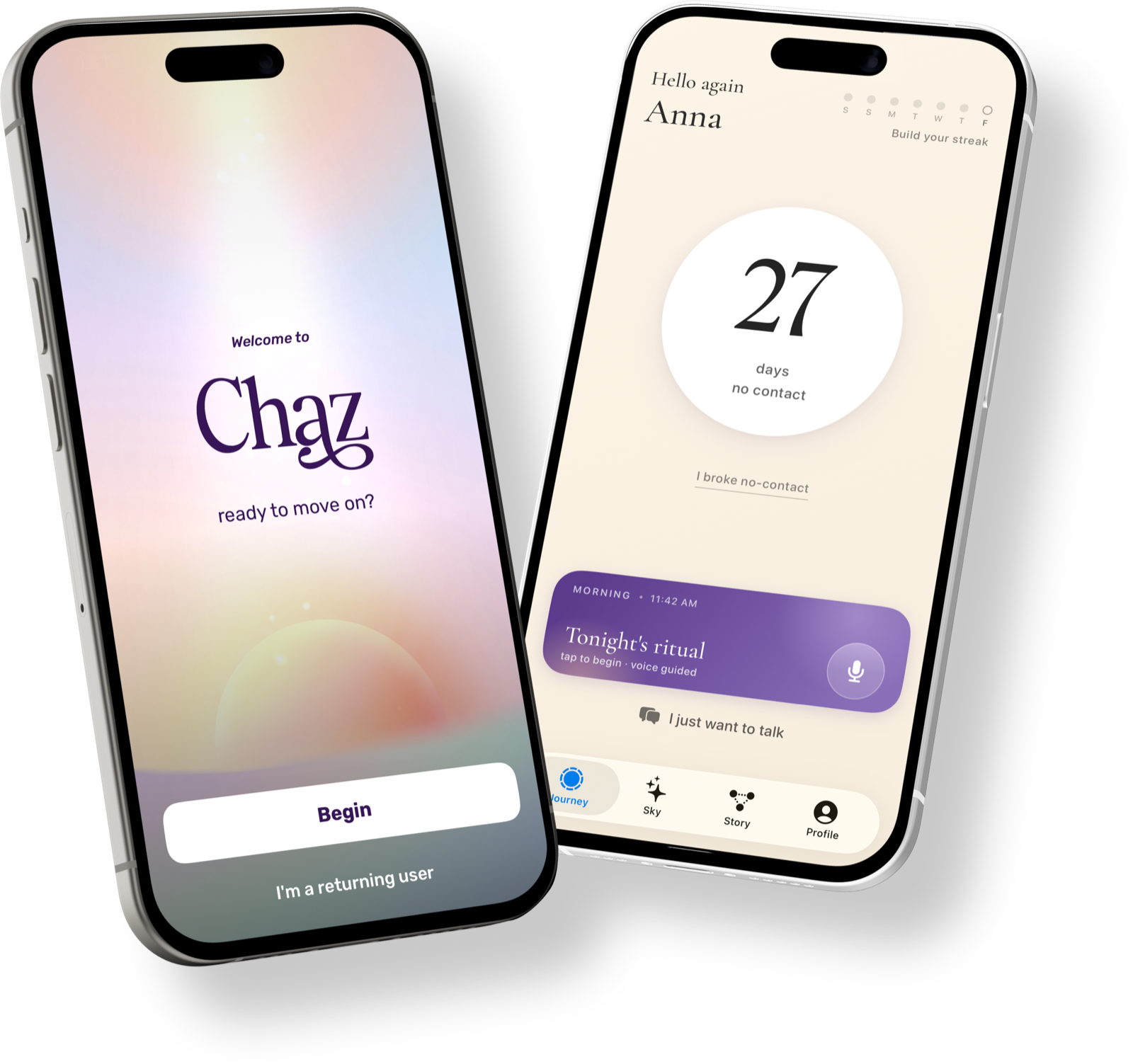
If you don't have that friend yet, the Chaz app fills this role specifically. It's an AI no-contact tracker you can voice-rant at when no human is awake. Built for the 2am moment.
Step 5. The "write, don't send" Notes file
Open Notes. New note. Title it "Drafts I didn't send." Pin it to the top.
The next time the urge hits, you write the text. The full text. The version where you're cruel. The version where you beg. The version where you pretend it's casual. Whatever the brain wants to send.
You write it in the note. You do not send it.
A surprising amount of the time, the act of typing the words is what the brain was after. Not the sending. The sending is the regret part. Separate the writing from the sending and the urge often resolves itself in the writing. (Expressive writing — even fifteen minutes of it — has decades of evidence behind it as a way to metabolize hard feelings.)
After a month, open the file. You'll see the drafts of who you were at 2am for the past few weeks. You will be genuinely grateful you didn't send any of them.
Step 6. The 20-minute timer rule
If you're at the point where you must do something — the urge will not pass, you are not going back to sleep — set a 20-minute timer on your alarm clock. Not your phone.
For 20 minutes, you may do any of the following:
- Get water.
- Read a physical book.
- Journal in a paper notebook by lamp light.
- Stretch.
- Do dishes.
- Yell at Chaz with headphones in.
- Cry in a productive way.
You may not, for 20 minutes:
- Pick up your phone for any reason except a smoke alarm.
- Walk to wherever the phone is charging.
- Open the laptop to check Instagram on web.
When the timer goes off, the urge has almost always passed. If it hasn't, set another 20-minute timer. Repeat until you go back to sleep.
This sounds aggressive. It is. The aggression is matched to the strength of the urge, which at 2am is intense.
Step 7. Schedule the morning check-in
Set an 8am alarm. When it goes off, before anything else, open your no-contact tracker or your journal.
One line: "Got through the night."
Streak tick. Day acknowledged. Move on.
This is the reward loop. Watching the streak compound is the dopamine that replaces the dopamine of texting them. Make the morning ritual short and satisfying.
A vivid 2am scenario, with the plan running
It's 1:53am. You wake up. You don't know why. The light from the streetlamp is hitting the curtain.
Without the plan: phone is on the nightstand. You pick it up to check the time. Notifications flash. You see something — maybe nothing, maybe a notification from a friend that reminds you of something they said. Your thumb finds your ex's thread. You type. You send. You regret.
With the plan:
- You wake up. There's no phone on the nightstand.
- You look at the alarm clock. It says 1:53.
- You think about getting up to get the phone.
- The cold floor is a real thing. You don't get up.
- You roll over.
- It's 7:30am.
- You see the streak.
- You drink coffee.
Total intervention cost: one $15 alarm clock and the discipline to charge your phone in the kitchen.
What if 2am you actually does get the phone
The plan still has layers. They get up, they walk to the kitchen, they grab the phone. Now:
- DND is on. Their ex's old thread doesn't push.
- Messages is locked by Screen Time. They tap it, the wall shows up.
- They enter the passcode (if they remember it, which 2am them often doesn't).
- They open the thread. They start to type.
- ScreenZen is on Instagram too, but Messages may be bypassed.
- The note "Drafts I didn't send" is pinned in Notes.
If they finally type the message into iMessage, the question is whether the streak of small frictions slowed them down enough to remember the morning. Often, yes. Sometimes, no, and the text sends.
Then you're in the I broke no contact reset. Restart the clock, log the failure, fix the layer of the system that failed.
The plan is not invincible. It just makes failure rare enough that the streak compounds.
What to do during the day so 2am is easier
The hardest 2am nights follow the most isolated days. The days you didn't see anyone. The days you scrolled too much. The days you skipped the workout.
Some daytime moves that pay off at night:
- One social interaction per day, in person if possible. Even a small one. A coffee chat, a gym class, a walk with a friend.
- Movement. Anything. Half an hour of walking is enough.
- Sunlight before 11am. Cuts the cortisol curve.
- A real dinner. Eat something with protein. Hungry-tired-lonely is the spiral cocktail.
- An evening wind-down that isn't your phone. A book, a bath, a stupid show. Phone goes to the kitchen at 10:30pm regardless.
You can engineer the night by engineering the day. The day is where the leverage is.
The receipt at day 30
At day 30, open "Drafts I didn't send." Read all of them.
You will not recognize the person who wrote them. The tone is different from how you'd write today. The desperation reads as foreign.
That gap, between who you were at 2am on day 4 and who you are at 2am on day 30, is the whole point. The plan didn't make you stronger. The plan kept you from doing damage during the weeks your nervous system needed to recalibrate.
Move the phone. Set the focus. Lock the apps. Tell the friend. Open the note. Hold the timer. Cross off the morning.
Repeat for 30 nights. The 31st one is easier.