On The Mend · Attachment
Disorganized (Fearful Avoidant) Attachment and Breakups

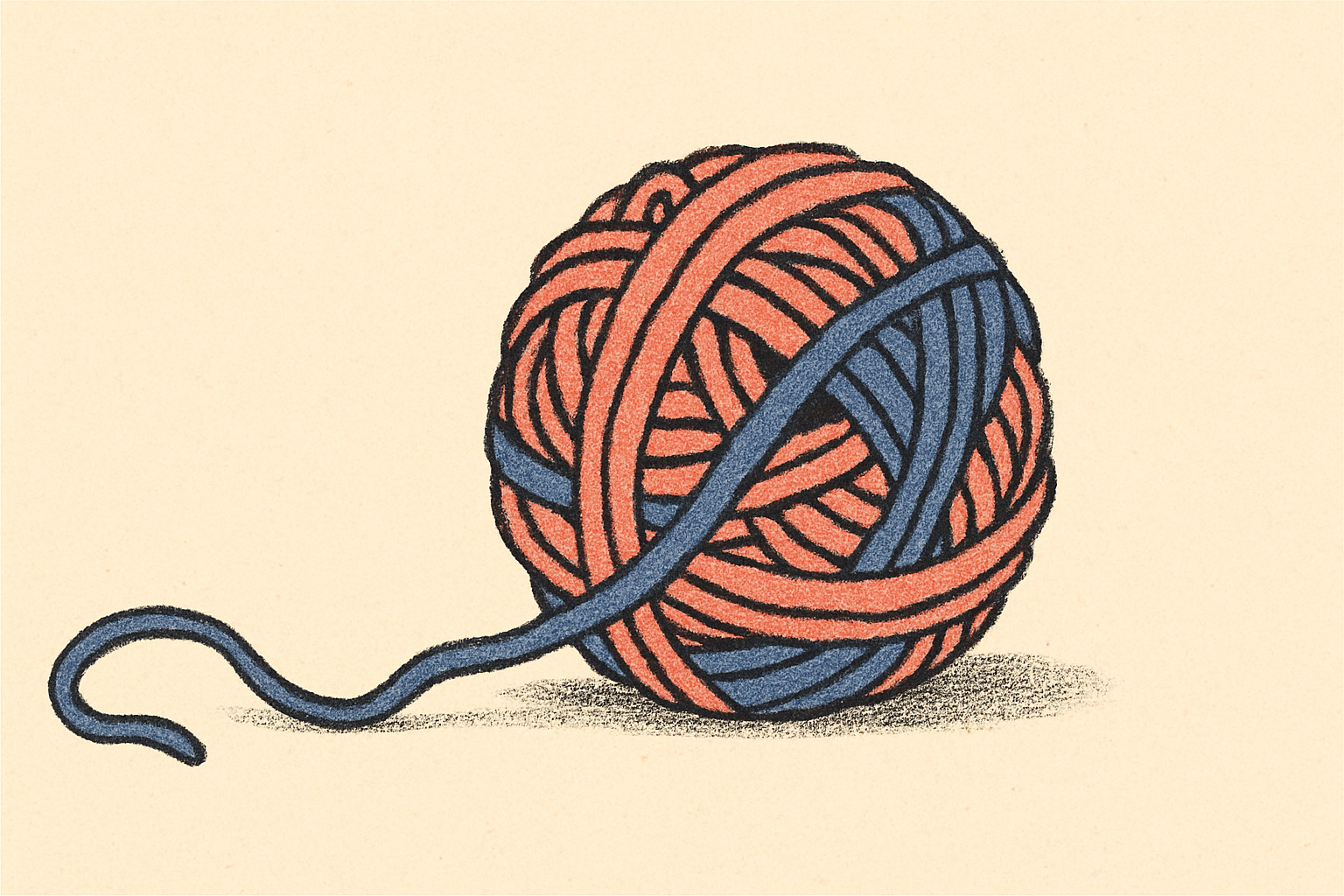
Disorganized attachment, also called fearful avoidant, makes breakups feel like whiplash. You crave them. You cannot stand them. You initiate the breakup, feel free for a week, and then crash into longing so intense you reach out three weeks later half-convinced this time will be different. Then they come back and you panic. If this loop sounds familiar, this post is for you. Disorganized attachment is the least talked-about style and the most exhausting to live inside, especially during a breakup. Here is what is actually happening, why the cycle keeps running, and how to step out of it.
What disorganized attachment actually is
The category came later than the others. Mary Ainsworth's original Strange Situation work identified secure, anxious-ambivalent, and avoidant infants. In the 1980s, Mary Main and Judith Solomon noticed a fourth group that did not fit cleanly — infants who showed contradictory behaviors when a caregiver returned. They would approach and then freeze. Reach out and then turn their face away. Show fear toward the person they were trying to bond with.
Main and Solomon called this disorganized attachment, and follow-up research has consistently linked it to caregiving environments where the attachment figure was simultaneously a source of comfort and fear. Not always abuse. Sometimes a parent with unprocessed trauma whose own nervous system was unpredictable. The child develops a working model where closeness equals danger and distance equals abandonment. Both are intolerable. The system never settles.
In adult attachment terms, this often shows up as fearful avoidant attachment. High anxiety and high avoidance simultaneously. Hazan and Shaver's model, later refined by Bartholomew and Horowitz, places fearful avoidant in the quadrant where both the self and others are viewed with suspicion. You want closeness desperately and you expect it to hurt you. So you reach for it and flinch from it in the same gesture.
This is the only attachment style that includes fear of the attachment figure themselves. That is the load-bearing detail. It changes how breakups feel.
The push-pull dynamic
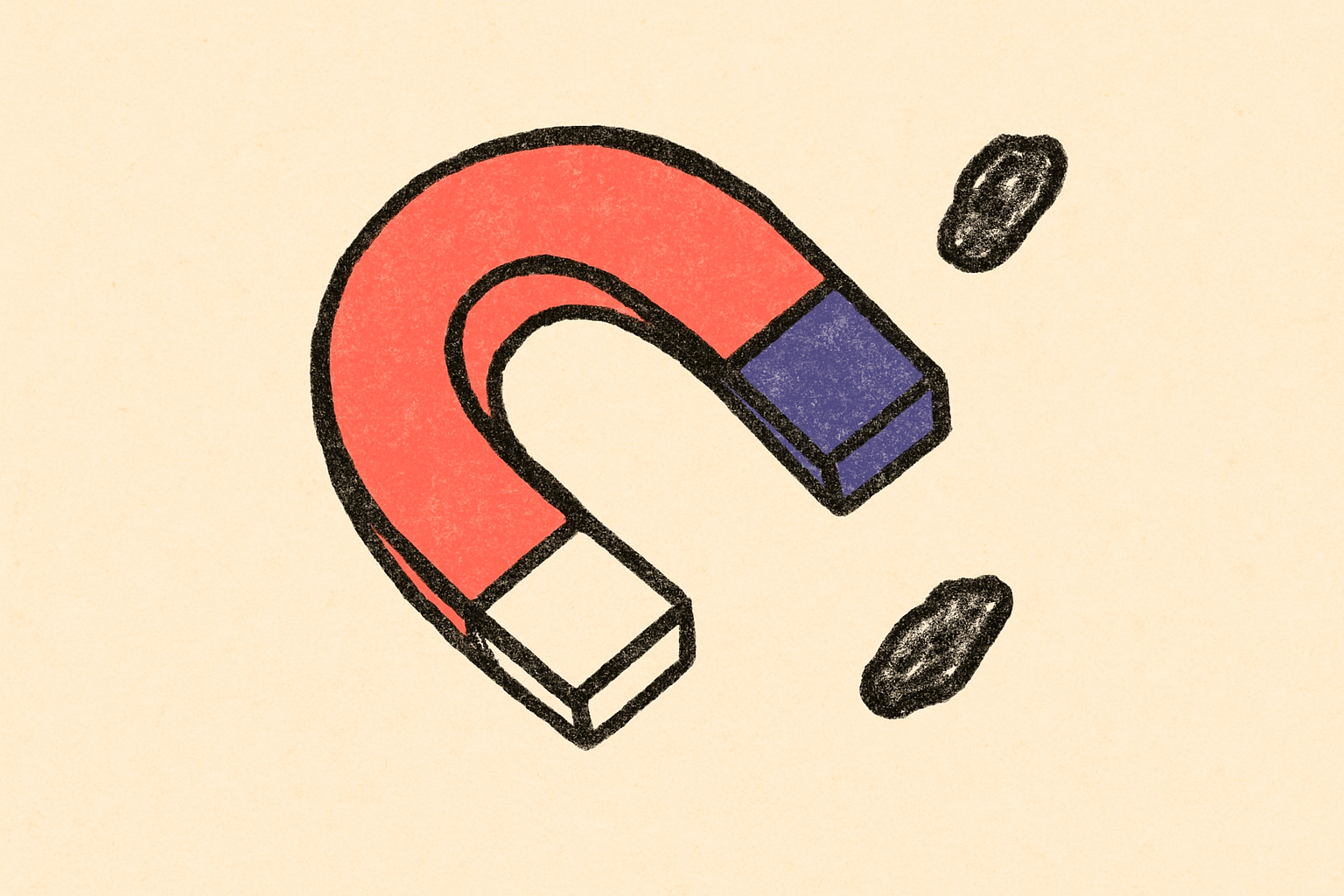
In a relationship, fearful avoidants often cycle between anxious and avoidant strategies. When the partner pulls away, the anxious circuit fires. When the partner gets close, the avoidant circuit fires. The poor partner, even a secure one, ends up feeling like they are being asked for opposite things in the same week.
The cycle, simplified:
- Partner is distant. You feel panic, reach out, pursue.
- Partner responds. You feel relief, briefly.
- Partner gets close. You feel claustrophobic, threatened, suffocated.
- You pull back, start a fight, find a flaw, manufacture distance.
- Partner pulls away in response.
- Return to step 1.
If the partner is also fearful avoidant or anxious, this loop can run for years. If the partner is avoidant, the loop usually ends with you initiating a breakup during the suffocation phase and then collapsing into longing once they actually leave.
Why fearful avoidants often initiate breakups
This is a counterintuitive pattern but it shows up everywhere in clinical reports. Fearful avoidants are statistically likely to be the one who ends the relationship, especially when closeness is increasing. A move-in conversation, an engagement, a vulnerable disclosure from the partner — any of these can spike the threat response and trigger the avoidant half of the system to find an exit.
The breakup itself often feels right in the moment. The avoidant deactivation kicks in. There is clarity, relief, a sense of having dodged something. Then the anxious half wakes up. Usually around week two to four.
The three-week reach-out
The most predictable fearful avoidant behavior post-breakup is the delayed reach-out. Not week one, when an anxious person would be drafting. Not week ten, when an avoidant person might wobble. Week three.
By week three, the avoidant relief has worn off and the anxious longing has set in. Idealization fires up. The partner gets remembered as the warm, safe person, with their flaws sanded off. The same flaws that justified the breakup feel small or solvable.
The reach-out usually has a specific shape:
- A vague, non-committal opener. "Hey, hope you're doing well."
- An offered logistical reason. A returned item, a shared friend's event.
- Or a vulnerability bomb. "I have been thinking about us a lot, I am sorry."
If the ex responds warmly, the fearful avoidant feels the closeness, feels suffocated within days or weeks, and the cycle restarts. If the ex does not respond, the rejection wound activates and the anxious half spirals. Either outcome is painful.
What makes this style harder than anxious or avoidant alone
It is not that fearful avoidant attachment is "worse." Every style has its own brutal version of grief. But there is a specific feature of disorganized attachment that does make breakups uniquely hard.
| Style | Has a coherent strategy | Knows what they want | Breakup grief shape |
|---|---|---|---|
| Anxious | Yes — pursue | Yes — closeness | Acute and front-loaded |
| Avoidant | Yes — distance | Yes — independence | Delayed and back-loaded |
| Disorganized | No — conflicting | No — both | Cyclical, doesn't resolve on its own |
| Secure | Yes — communicate | Yes — connection with autonomy | Sad but linear |
The disorganized system has two contradictory strategies running at the same time and no clear winner. That is why the grief does not flatten out the way anxious or avoidant grief eventually does. Without intervention, the loop just keeps cycling.
A scenario you will recognize
You broke up six weeks ago. You were the one who ended it. The first ten days felt clear. You remember telling a friend "I knew it was right the moment I said it."
By week three you started thinking about them differently. Softer. You remembered a road trip and started crying in your car. You drafted a message and did not send it. You drafted another one. You sent it.
They responded the same day, warm and a little wounded. You met up. You spent the night. The next morning you felt nothing for them. Worse than nothing — irritation. You found yourself watching them eat breakfast and cataloguing everything wrong with how they were chewing. You left. You did not text them back the next day. They texted again. You felt suffocated. You blocked them.
Two weeks later you unblocked. You missed them. You wondered if you had been too harsh. You opened the thread.
This is the loop. Recognizing it is the start of breaking it.
Stabilization strategies
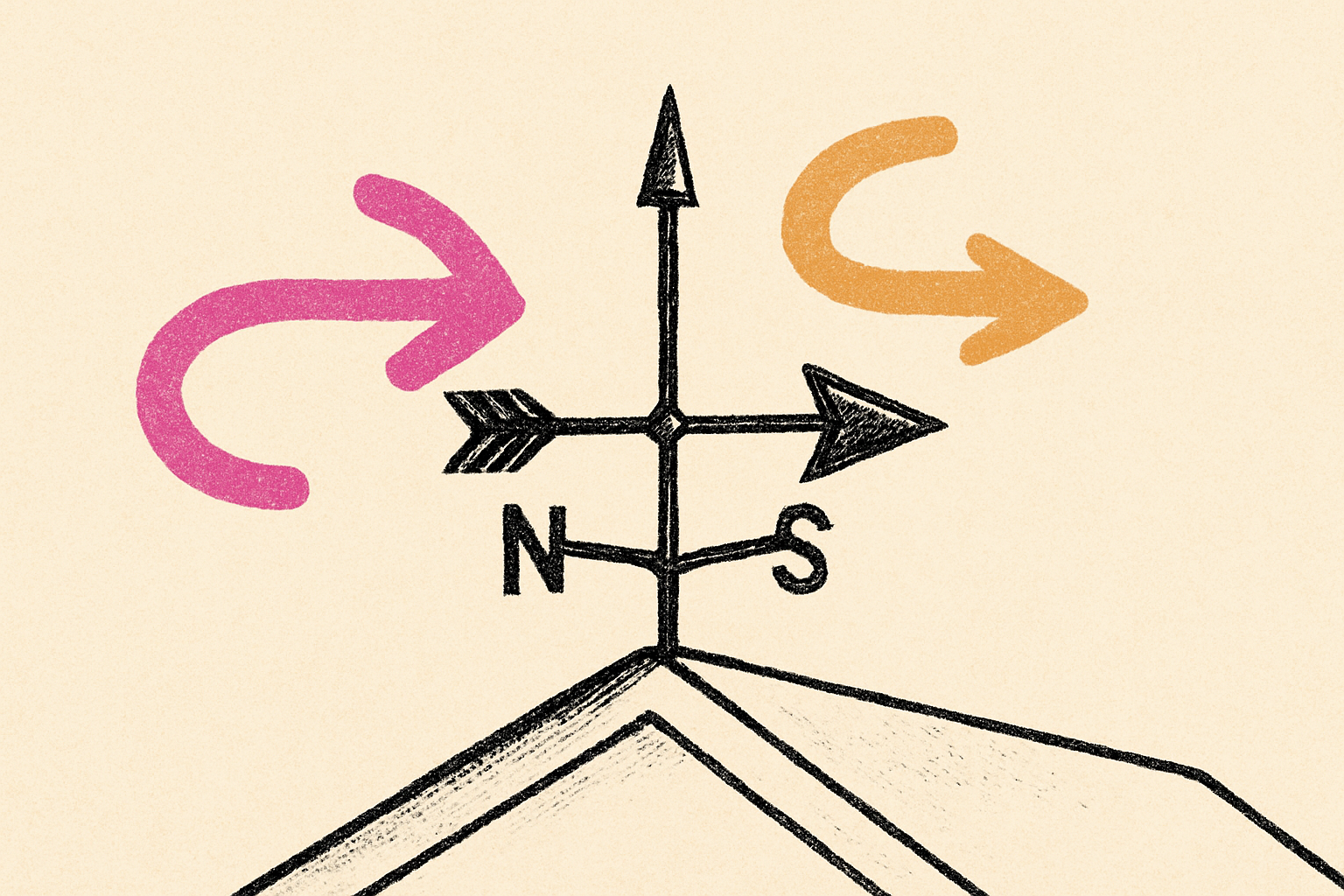
The work for fearful avoidant attachment in a breakup is different from the work for anxious or avoidant. You are not just managing one direction of pull. You are managing two opposing pulls that keep handing the wheel back and forth.
Build a longer window before you act
Anxious people benefit from a 48-hour rule on sending texts. Fearful avoidants need longer, because the avoidant phase will lie to you about the relationship in one direction and the anxious phase will lie about it in the other. Aim for two weeks between any impulse and any action. Whatever the current half of the cycle is telling you about your ex, it is incomplete. The other half is on its way.
Track the cycle in writing
The single most useful intervention for disorganized attachment in a breakup is a written log. Not a feelings journal. A pattern log.
- Date.
- Current pull (anxious or avoidant).
- Strength, one to ten.
- What you were doing right before it spiked.
After three or four weeks of this, the cycle becomes visible. You can see that the longing always shows up around day eighteen. You can see that the suffocation always shows up two days after a positive interaction. Once the cycle is visible, you stop mistaking each wave for new information.
Choose a stance and hold it through both phases
The temptation in fearful avoidant attachment is to make decisions during the strong half of the cycle. You break up during a suffocation spike. You reach out during a longing spike. Both feel like clarity in the moment. Neither is.
Pick a stance during a neutral window. No contact for ninety days, for example. Write it down. Commit to it before the next wave hits. Then hold it through both phases. The whole point is that your in-the-moment decision-making is not reliable right now. Pre-commitment is the workaround.
Get a real therapist
Disorganized attachment responds best to longer-term therapeutic work, particularly modalities that address the underlying nervous system patterns. EMDR, Internal Family Systems, somatic experiencing, and EFT (Sue Johnson's framework) all have track records here. A book and an app are not going to fix this. A skilled clinician can.
Where Chaz fits
This is the part where I mention the app, briefly. Chaz is a free iPhone app that does no-contact tracking, has a voice agent, and tracks attachment patterns over time. For fearful avoidant attachment specifically, the streak counter and the journal can be useful as the pre-commitment mechanism described above — a public-ish promise to yourself that holds through both halves of the cycle. It is not therapy. It is a guardrail between the wave and the send button. That is all.
What earned secure looks like for fearful avoidants
The work is not to suppress one half of the cycle and live as a stoic. It is to integrate the two halves into a single coherent signal. People who do this work, often over years, describe a shift where closeness no longer reads as threat and distance no longer reads as abandonment. The nervous system finds that other people can be both safe and consistent, and the system updates.
This is not fast. It is not clean. It usually involves a long stretch of being single and doing the slow work, then meeting someone secure-ish and learning to stay through the suffocation phase without leaving and through the longing phase without grasping. The fearful avoidant who does this work tends to land in a particularly grounded version of secure attachment, because they have built it on top of a system that knows both pulls intimately.
The breakup is not the failure. The cycle is the failure. Ending the cycle, by holding still through both halves long enough for the system to learn that nothing catastrophic happens when you do not act, is how you stop being a passenger in your own attachment system. That is the real work. It is worth it.